In the sprawling digital ecosystem where fitness and internet culture collide, a unique language has emerged through the vehicle of memes. These aren't just frivolous jokes shared among friends; they are a complex form of social commentary, a shared dialect that binds the global fitness community. To the uninitiated, a meme might appear as a simple image with bold text, but for those who spend their days under the barbell and their nights scrolling through Instagram, they are profound reflections of a collective psyche, encapsulating the pain, the glory, the absurdity, and the unwavering dedication of the iron game.
The origin of fitness memes is deeply rooted in the early bodybuilding forums of the internet. Before the sleek interfaces of today's social platforms, dedicated lifters and athletes gathered in text-heavy online bulletin boards. They shared workout tips, progress photos, and, crucially, inside jokes. These jokes were a way to cope with the grueling nature of training—the constant muscle soreness, the dietary restrictions, the inevitable plateaus. A simple ASCII art drawing of a stick figure failing to lift a weight was a primitive meme, a shared nod to a universal experience. As internet technology evolved, so did these jokes, transforming from text-based quips into the rich visual and video format we see today on platforms like Instagram, Reddit, and TikTok.
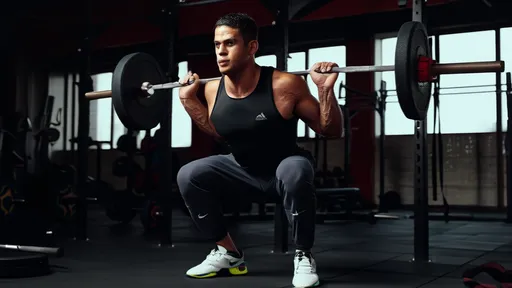
At the heart of this culture is the concept of relatability. The most viral fitness memes are those that tap into a universal truth known to every person who has ever set foot in a gym. The existential dread of "leg day," the unbridled joy of a new personal record, the silent judgment of someone curling in the squat rack—these are the shared experiences that become meme fodder. They function as a inside handshake, a way to say, "I see you, and I've been there too." This creates a powerful sense of community and belonging, making the often solitary pursuit of fitness feel like a team sport. It’s a digital support group where laughter is the best medicine for DOMS (Delayed Onset Muscle Soreness).
Beyond mere relatability, memes serve as a potent form of motivation and satire. We've all seen the memes contrasting the "lifter's walk" (a sore, stiff gait the day after a heavy session) with a normal person's walk. This isn't just funny; it's a badge of honor. It celebrates the pain required for growth. Similarly, memes that mock impractical fitness fads or the dubious advice of "broscience" act as a collective critical voice. They are a way for the community to self-police, to separate evidence-based practice from myth, all under the guise of humor. They empower individuals to question what they see and hear, fostering a more informed and skeptical approach to health trends.
A fascinating sub-genre involves the personification of goals and struggles. Characters are born from these shared narratives. "Gym Shark Chad" represents the ultra-athletic, sometimes oblivious, aesthetic ideal. The "Protein Shake Goblin" is that voice in your head telling you to skip a meal. These archetypal figures allow for complex feelings—envy, aspiration, frustration—to be explored in a simple, digestible format. By creating these characters, the community can laugh at its own obsessions and insecurities, making them less daunting and more manageable.
The language of fitness memes is also a language of resilience. They often glorify the grind, the process of showing up even when you don't want to. Memes about the agony of early morning alarms, the struggle to meal prep on a Sunday, or the mental battle of a final rep are all testaments to the discipline required. This constant reinforcement through humor helps to normalize the struggle. It tells everyone that it's okay to find it hard, that the difficulty is part of the journey, and that perseverance, above all else, is what truly defines a lifter.
Ultimately, the culture of fitness memes is a mirror held up to the soul of the fitness world. It is raw, unfiltered, and brutally honest. It captures not the airbrushed perfection of fitness magazines, but the sweaty, gritty, and often hilarious reality of pursuing physical betterment. It’s a culture that thrives on authenticity, using laughter as a tool to unite, motivate, and endure. To understand these memes is to understand the heart of a lifter: a paradoxical blend of intense seriousness about their goals and a lighthearted ability to not take themselves too seriously.
By /Aug 25, 2025
By /Aug 25, 2025
By /Aug 25, 2025
By /Aug 25, 2025
By /Aug 25, 2025
By /Aug 25, 2025
By /Aug 25, 2025
By /Aug 25, 2025
By /Aug 25, 2025
By /Aug 25, 2025

By /Aug 25, 2025
By /Aug 25, 2025
By /Aug 25, 2025

By /Aug 25, 2025
By /Aug 25, 2025
By /Aug 25, 2025
By /Aug 25, 2025

By /Aug 25, 2025
By /Aug 25, 2025
By /Aug 25, 2025
