How to Properly Reheat Leftovers to Minimize Nutritional Loss and Safety Risks

Aug 20, 2025 By

There is an art to reheating leftovers that goes far beyond simply making them hot again. In kitchens around the world, a nightly ritual plays out: containers are pulled from refrigerators, their chilled contents destined for a second act. Yet, this seemingly simple act is a culinary crossroads where safety, nutrition, and flavor converge. Doing it correctly can preserve the meal’s integrity, turning last night’s dinner into a delicious and wholesome new experience. Doing it poorly, however, can lead to a disappointing, and sometimes dangerous, meal that wastes both food and its inherent nutritional value.

The primary concern for many is safety, and rightfully so. The "danger zone" for bacterial growth is between 40°F (4°C) and 140°F (60°C). Leftovers languishing in this temperature range provide a perfect breeding ground for pathogens like Salmonella and E. coli. The goal, therefore, is to move food through this zone as rapidly as possible during the reheating process. This means that the old method of tossing a large, frozen block of stew into a pot on low heat is one of the riskiest approaches. The exterior may become scalding hot while the interior remains in the danger zone for an extended period, allowing bacteria to multiply. The golden rule is to reheat food until it is piping hot all the way through, reaching an internal temperature of at least 165°F (74°C) as measured by a food thermometer. This core temperature is critical for eliminating most common foodborne bacteria.

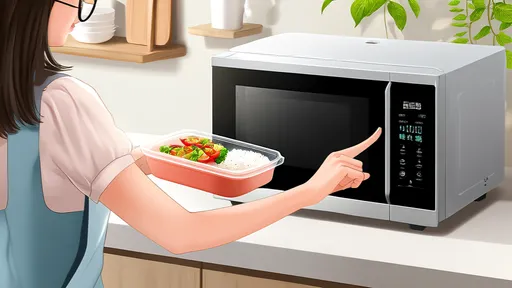
Equally important to the final temperature is the journey to get there. Uniformity is key. A common mistake is to reheat a dense portion of food without breaking it up or stirring it. Microwaves, the most common reheating appliance, heat by exciting water molecules, which can lead to infamous hot and cold spots. To combat this, food should be arranged in a circular pattern on a microwave-safe plate, leaving a small empty space in the center. Covering the plate with a damp paper towel or a microwave-safe lid traps steam, which helps heat the food more evenly and prevents it from drying out into a sad, rubbery version of its former self. For stews, soups, and sauces, stirring at least once halfway through the heating time is non-negotiable. This simple action redistributes the heat, ensuring every spoonful is safely and evenly warmed.

Beyond the imperative of safety lies the nuanced challenge of preserving nutrition. The vitamins and minerals in our food are not indestructible; many are sensitive to heat, light, and oxygen. The process of cooking initially causes some nutrient loss, and reheating applies a second round of stress. The most vulnerable compounds are water-soluble vitamins, such as vitamin C and the B vitamins (thiamine, folate, B6). These nutrients can leach out into cooking water or steam. Therefore, reheating methods that minimize the use of additional water and reduce cooking time are superior for nutritional retention. Steaming, for instance, is far better than boiling, as the food is not submerged. Using a microwave, often maligned in foodie circles, is actually one of the best methods nutritionally. Because it heats food so quickly and with minimal added liquid, it helps preserve these delicate vitamins better than longer, slower methods on the stovetop.

The type of food itself dictates the optimal reheating strategy. Not all leftovers are created equal. Moist foods like soups, stews, curries, and pasta sauces are the most forgiving. They reheat beautifully on the stovetop over medium heat, with an occasional stir to prevent sticking. Adding a small splash of water, broth, or milk can loosen them up and compensate for any moisture lost during refrigeration. Dry foods, like roasted meats, are a different story. The intense dry heat of an oven that made them so delicious the first time is often the best choice for the second. To prevent the meat from drying out further, a few techniques are essential. Slicing the meat before reheating reduces the time needed to warm the center. Placing it in a baking dish with a small amount of broth or gravy and covering it tightly with foil creates a miniature steam oven, gently reheating the meat while rehydrating it. A brief stint under the broiler at the end can re-crisp the skin or exterior without overcooking the interior.

Rice deserves a special warning due to its association with Bacillus cereus, a bacterium that can survive cooking and produce toxins as the rice cools. The safest practice is to cool cooked rice rapidly (within an hour) and refrigerate it immediately. When reheating, it must be steaming hot all the way through, and it should never be reheated more than once. Seafood is another delicate category. Its proteins are very tender and can become tough and rubbery with aggressive, high heat. The gentlest possible heat is required. Often, adding cold seafood to a hot sauce at the very last minute, just to warm it through, is sufficient. For fried foods, the oven or an air fryer is the only hope of restoring any semblance of crispness. The microwave will almost always yield a soggy, disappointing result.

Finally, the elephant in the kitchen: the microwave. It is a tool of incredible convenience but also great potential for ruin. Understanding its quirks is essential. As mentioned, arranging food in a circle and covering it are the first steps. Using a lower power setting (50-70%) for a longer time is a professional trick many home cooks overlook. The high power setting forces the exterior to heat too quickly, often leading to splattering and tough textures before the center is warm. A medium power setting allows for a more gentle and even transfer of heat. For foods like pizza, a combination method works wonders. A quick zap in the microwave warms the toppings and cheese, but then a minute in a hot skillet crisps the soggy crust back to life. It’s about using technology intelligently to achieve the desired result.

Reheating leftovers is not a chore to be rushed; it is the final step in a responsible and economical cooking process. It demands a mindful approach that respects the ingredients, the effort that went into the initial preparation, and the health of those who will eat it. By prioritizing rapid and uniform heating to ensure safety, choosing methods that protect fragile nutrients, and tailoring the technique to the specific food, we can transform the humble leftover. It ceases to be a mere repetition and becomes an opportunity to enjoy a meal that is safe, nutritious, and perhaps even better than it was the first time. It is a small but significant act of culinary respect.
Recommend Posts
Food

The Mystery of Meatiness" Brought by Heme in Plant-based Meat

By /Aug 20, 2025

In the burgeoning landscape of plant-based foods, one ingredient has emerged as a veritable game-changer, a molecular key unlocking the elusive sensory experience of meat without the animal. This ingredient is heme, and its story is not just one of food science, but of a fundamental quest to replicate one of humanity's most primal culinary experiences. The journey of heme from a biological curiosity to the centerpiece of a food revolution is a fascinating tale of innovation, biology, and taste.
Food

Sustainable Development of Mexican Corn Culture: From Fields to Tacos

By /Aug 20, 2025

In the heart of Mexico, maize is more than a crop; it is the soul of the nation, woven into the fabric of its history, culture, and daily sustenance. From the ancient milpas where it has been cultivated for millennia to the bustling street stalls serving up steaming tacos, the journey of maize represents a profound narrative of resilience, tradition, and the pressing need for sustainable practices in a rapidly changing world. This story is not just about agriculture or cuisine; it is about identity, community, and the delicate balance between honoring the past and securing the future.
Food

Indian Ayurvedic Diet: Food Recommendations for the Three Doshas

By /Aug 20, 2025

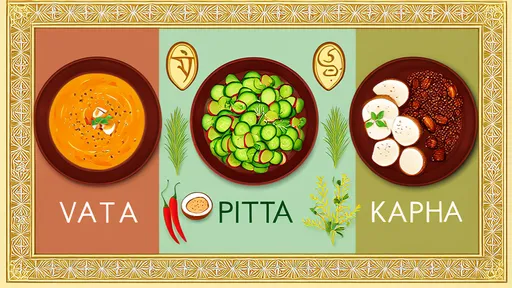
In the ancient wisdom of Ayurveda, the concept of Doshas forms the cornerstone of understanding individual constitution and health. These three biological energies—Vata, Pitta, and Kapha—govern all physical and mental processes, providing every person with a unique blueprint for health and fulfillment. Each Dosha combines two of the five universal elements (ether, air, fire, water, and earth) and manifests in specific physiological and psychological characteristics. Recognizing one's dominant Dosha or the current state of imbalance is essential for making informed dietary choices that promote harmony and vitality. The Ayurvedic approach to nutrition is not about rigid rules but about tuning into the body's innate intelligence and the rhythms of nature.
Food

German Black Forest Cake: Control of Moisture Content in Maraschino Cherries

By /Aug 20, 2025

Nestled within the culinary traditions of Germany's Black Forest region lies a dessert that has captivated palates worldwide: the Schwarzwälder Kirschtorte, or Black Forest Cake. While its layers of chocolate sponge, whipped cream, and cherries present an image of indulgent simplicity, the true artistry of this classic confection is often hidden in the nuances of its preparation. Among these, the management of moisture in the kirsch-soaked cherries stands as a critical, yet frequently overlooked, pillar of excellence. It is a delicate dance between flavor infusion and structural integrity, a balance that separates a good cake from an extraordinary one.
Food

Portuguese Custard Tarts: The Combination of Caramel Spots and Cinnamon Powder

By /Aug 20, 2025

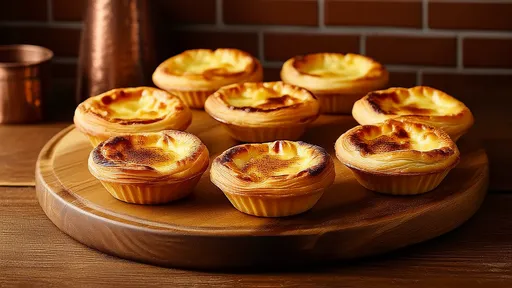
There is a particular alchemy to the perfect Portuguese custard tart, a delicate balance of texture, temperature, and taste that transcends its seemingly simple ingredients. At the heart of this experience lies a beautiful, almost poetic duality: the dark, bitter-sweet punctuation of the caramelized top against the warm, woody embrace of cinnamon. This is not merely a garnish; it is the soul of the pastry, a story told in two distinct yet harmonious flavors.
Food

Middle Eastern Kunafa: Cheese Selection and Timing of Soaking in Syrup

By /Aug 20, 2025

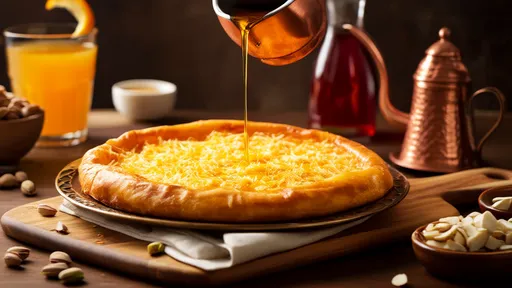
In the bustling markets of the Middle East, the aroma of freshly baked pastries often leads eager patrons to one particular delicacy: kunafa. This beloved dessert, with its golden, crispy exterior and rich, cheesy interior, has been a staple of regional cuisine for centuries. While its preparation may seem straightforward to the uninitiated, true mastery of kunafa lies in two critical, often debated elements: the selection of cheese and the precise timing of syrup soaking. These factors can elevate the dish from merely good to utterly transcendent, making the difference between a forgettable treat and a memorable culinary experience.
Food

Austrian Apple Strudel: The Technique of Stretching Dough to Transparency

By /Aug 20, 2025

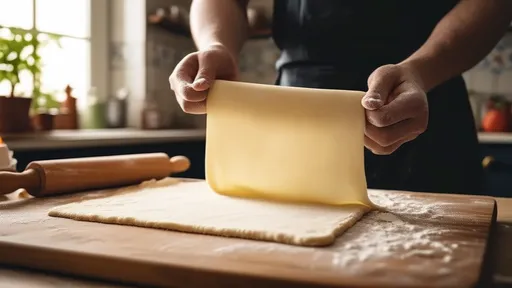
In the heart of Austrian baking tradition lies the Apfelstrudel, a pastry that whispers tales of imperial kitchens and rustic farmhouses alike. More than just a dessert, it is a testament to patience, precision, and the transformative power of a simple dough. While the filling of tart apples, cinnamon, raisins, and breadcrumbs is undeniably important, the true soul of the strudel resides in its wrapper—a dough so thin, so ethereally delicate, that it is famously stretched to the point of transparency. This is not merely a step in a recipe; it is a culinary art form, a dance between the baker and the gluten, resulting in a pastry with countless gossamer-thin layers that shatter delicately with each bite.
Food

North African Tajine: Steam Circulation Principle Under the Conical Lid Design

By /Aug 20, 2025

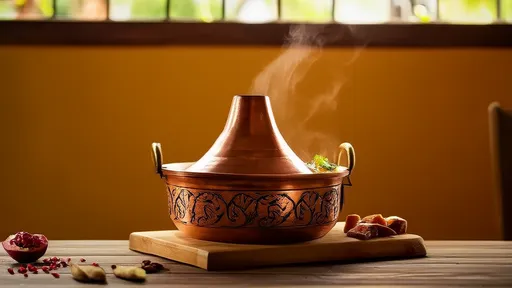
In the bustling souks of Marrakech and the quiet villages of the Atlas Mountains, one culinary icon stands as a testament to both tradition and ingenuity: the tajine. More than just a cooking vessel, the tajine is a masterpiece of culinary engineering, a slow-cooking system perfected over centuries. Its most defining feature, the distinctively shaped conical lid, is not merely an aesthetic choice but the very heart of a sophisticated steam-circulation mechanism that transforms simple ingredients into dishes of profound flavor and tenderness. This is not just pottery; it is a slow-food technology that has been simmering for generations.
Food

Middle Eastern Tandoor: Preheating Techniques for Simulating High-Temperature Tandoor Ovens at Home"

By /Aug 20, 2025

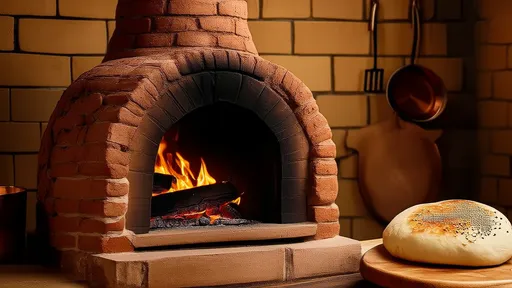
For centuries, the tandoor oven has been the heart of Middle Eastern and South Asian culinary traditions, a cylindrical clay vessel that breathes life into flatbreads and imparts a unique, smoky character to meats. Its intense, radiant heat, often exceeding 900°F (480°C), is the alchemy behind the perfect naan or laffa—a blistered, chewy, and impossibly light texture that home bakers have long viewed as the holy grail. The quest to replicate these results in a standard home electric or gas oven is not about finding an exact duplicate; that’s an impossibility. It is, instead, an exercise in clever simulation, a series of techniques aimed at capturing the spirit of the tandoor by manipulating our modern appliances to their absolute limits.
Food

Swiss Gruyère Cheese: The Perfect Melting Choice for Fondue

By /Aug 20, 2025

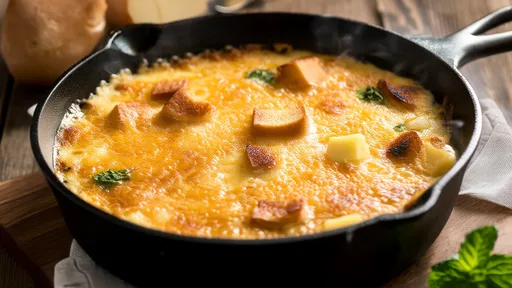
In the world of fondue, where the alchemy of melted cheese transforms a meal into a shared, convivial experience, the choice of fromage is paramount. While many cheeses boast melting capabilities, few achieve the sublime, velvety consistency and profound flavor depth required for the perfect pot. Enter Gruyère, the venerable Swiss cheese from the Fribourg region, a cornerstone of authentic Swiss fondue and a testament to centuries of cheesemaking artistry. Its reputation is not merely built on tradition but on a unique chemical and textural profile that makes it, for many connoisseurs and chefs, the undisputed champion of the caquelon.
Food

The Concentration Behind the Age Label of Italian Balsamic Vinegar

By /Aug 20, 2025

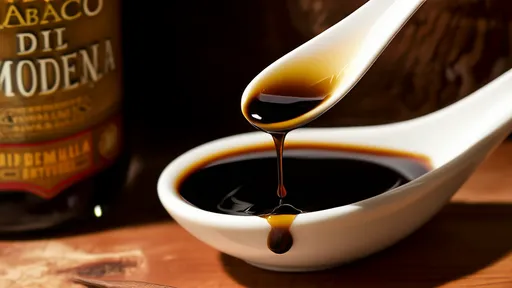
In the rolling hills of Modena and Reggio Emilia, where the air carries the sweet scent of aging grapes, a culinary tradition centuries in the making unfolds in quiet attics and specialized acetaie. Here, in rows of diminishing barrels crafted from sundry woods, the magic of Aceto Balsamico Tradizionale transpires—a patient alchemy that transforms simple grape must into a complex, glossy elixir revered by chefs and gourmands worldwide. The journey from fruit to famed condiment is governed by time, evaporation, and a stringent regulatory system, with the final product’s age designation serving as the most direct indicator of its concentration and, consequently, its character.
Food

Comparison of Flavor Differences between Southeast Asian Coconut Sugar (Gula Melaka) and Regular Brown Sugar

By /Aug 20, 2025

In the lush tropical landscapes of Southeast Asia, a unique sweetener has been crafted for centuries, carrying with it the whispers of tradition and the soul of its terroir. Gula Melaka, often referred to as palm sugar or coconut sugar, stands as a testament to the region's rich culinary heritage. Unlike its more ubiquitous counterpart, ordinary brown sugar, which is derived from sugarcane and widely produced across the globe, Gula Melaka is meticulously made from the sap of the flower buds of the coconut palm. This fundamental difference in origin is just the beginning of a fascinating divergence in flavor, aroma, texture, and cultural significance that sets these two sweeteners worlds apart.
Food

Saffron Selection in Iran: Testing Authenticity with Water and Evaluating Color, Aroma, and Strength

By /Aug 20, 2025

In the bustling spice markets of Iran, the quest for authentic saffron is both an art and a science. As one of the world's most precious spices, saffron commands a high price, making it a frequent target for adulteration. For discerning buyers, knowing how to verify its purity through simple yet effective methods like the water test and a thorough evaluation of its color, aroma, and taste strength is essential. This guide delves into these techniques, offering practical insights to help you identify genuine Iranian saffron and avoid counterfeit products.
Food

The Ultimate Folding Layers of Butter and Dough in French Croissants

By /Aug 20, 2025

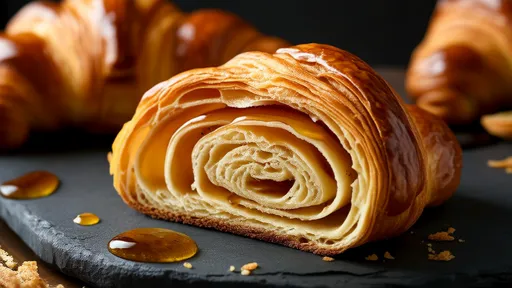
In the hushed, flour-dusted kitchens of French patisseries before dawn, a quiet revolution unfolds daily—not with words, but with butter and dough. The croissant, that iconic symbol of French culinary artistry, appears deceptively simple in its crescent form. Yet, its entire identity—the ethereal height, the honeycomb crumb, the symphony of crisp shatter and melting richness—hangs on a single, precise technical dance: the lamination. This process of folding butter into dough, creating hundreds of delicate, alternating layers, is the very heart of the craft. For generations, bakers have operated on received wisdom, often capping their folds at a traditional number. But a provocative question now permeates the top echelons of baking: is there a physical limit to how many layers one can create? Pushing the boundaries of this buttery architecture is not merely an academic exercise; it is a pursuit to fundamentally understand and redefine the limits of texture itself.
Food

Peruvian Ceviche: Cooking Time Chart for Different Seafish with Lemon Juice

By /Aug 20, 2025

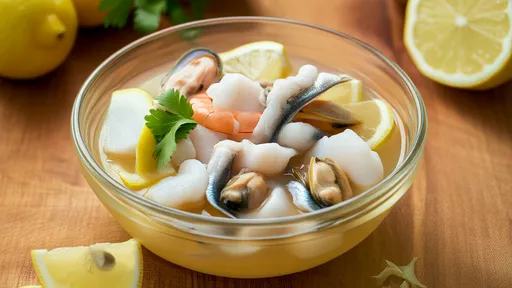
Peru's national dish, ceviche, is a vibrant culinary tradition that hinges on a delicate and precise process. At its heart lies the technique of "cooking" raw fish in citrus juice, primarily lime. This isn't cooking with heat, but a chemical process called denaturation, where the acids in the juice cause the proteins in the fish to unwind and bond with each other, firming up the flesh and turning it opaque, much like applying heat would. The mastery of this technique is not universal; it is deeply specific to the type of seafood used. A one-size-fits-all approach results in a disappointing plate, either with tough, rubbery bits or, worse, unpleasantly raw and potentially unsafe morsels. Understanding the unique marinating time for each fish is the secret that separates a good ceviche from an extraordinary one.
Food

The Impact of Katsuobushi Flake Thickness on Umami in Dashi Broth

By /Aug 20, 2025

In the quiet kitchens and bustling professional environments where Japanese cuisine is perfected, there exists an ingredient so fundamental that its absence would dismantle the entire culinary structure. This ingredient is dashi, the clear, golden broth that forms the soul of dishes from a delicate miso soup to the complex base of a hot pot. While kombu (kelp) provides the foundational umami, it is the katsuobushi, or dried, fermented, and smoked skipjack tuna, that introduces a profound depth and smoky complexity. The process of preparing this katsuobushi, specifically the act of shaving it into delicate flakes, is not mere culinary procedure; it is a nuanced art form where the thickness of each flake directly dictates the very character of the umami experience.
Food

The Art of Pickling Mexican Peppers: Transforming Jalapeño into Smokey Magic with Chipotle"

By /Aug 20, 2025

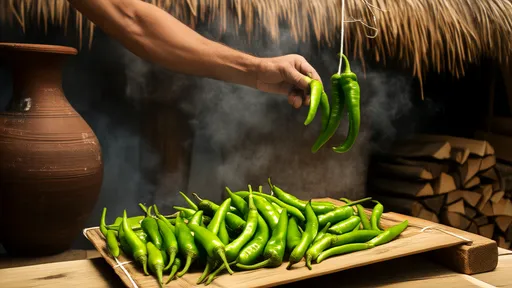
In the heart of Mexican culinary tradition lies a transformative process that turns the familiar green jalapeño into the rich, smoky chipotle. This metamorphosis is not merely a change in flavor but a cultural ritual, a preservation technique born of necessity and perfected over generations. The journey from fresh, bright pepper to deep, complex dried marvel is a story of fire, time, and patience.
Food

How to Properly Reheat Leftovers to Minimize Nutritional Loss and Safety Risks

By /Aug 20, 2025

There is an art to reheating leftovers that goes far beyond simply making them hot again. In kitchens around the world, a nightly ritual plays out: containers are pulled from refrigerators, their chilled contents destined for a second act. Yet, this seemingly simple act is a culinary crossroads where safety, nutrition, and flavor converge. Doing it correctly can preserve the meal’s integrity, turning last night’s dinner into a delicious and wholesome new experience. Doing it poorly, however, can lead to a disappointing, and sometimes dangerous, meal that wastes both food and its inherent nutritional value.
Food

Steps for Air-Drying Vegetables (such as Beans and Radishes) Using Sunlight

By /Aug 20, 2025

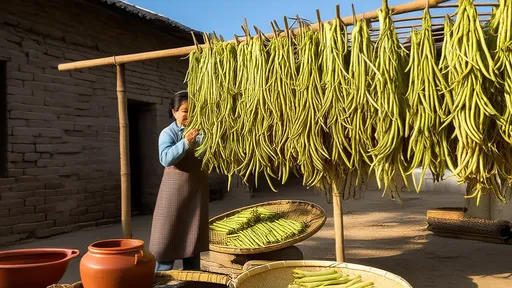
In the quiet corners of rural homesteads and even on the sun-drenched balconies of urban apartments, an ancient culinary tradition persists—the art of sun-drying vegetables. This method, passed down through generations, transforms humble produce like green beans and radishes into shelf-stable, intensely flavored ingredients that carry the very essence of summer into the leaner months. While modern dehydrators offer a convenient alternative, the process of using the sun’s gentle, pervasive energy is a ritual that connects us to the rhythms of nature and a simpler way of preserving food.
Food

Choosing and Using an Oyster Knife: Safety Posture

By /Aug 20, 2025

There is a certain satisfaction in prying open an oyster, a small victory of human ingenuity over nature's design. It is a ritual that precedes the pleasure of the taste, a moment of focused attention that connects us to the centuries of seafood lovers who came before. At the heart of this ritual lies a single, crucial tool: the oyster knife, or shucker. Its selection and, more importantly, its correct and safe use, are what separate a seamless, joyful experience from a frustrating, and potentially dangerous, ordeal. This is not merely about accessing a delicacy; it is about respecting the tool, the ingredient, and your own hands.