In the burgeoning landscape of plant-based foods, one ingredient has emerged as a veritable game-changer, a molecular key unlocking the elusive sensory experience of meat without the animal. This ingredient is heme, and its story is not just one of food science, but of a fundamental quest to replicate one of humanity's most primal culinary experiences. The journey of heme from a biological curiosity to the centerpiece of a food revolution is a fascinating tale of innovation, biology, and taste.
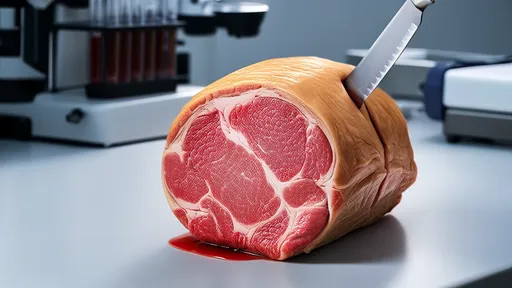
At its core, heme is an iron-containing molecule. It is a porphyrin, a ring-like structure that cradles an iron atom at its center, and it is absolutely fundamental to life as we know it. In animals, it is the crucial component of hemoglobin, the protein in red blood cells responsible for binding to oxygen in the lungs and ferrying it to tissues throughout the body. This is why blood is red. In plants, a nearly identical molecule called leghemoglobin performs a similar role, helping certain plants, like soybeans, fix nitrogen from the air into the soil. This biochemical commonality is the first clue in the puzzle. The heme molecule found in a cow and the leghemolecule found in a soybean root nodule are structurally almost indistinguishable. This similarity is the scientific bedrock upon which the entire concept of "bleeding" plant-based meat is built.
The role of heme extends far beyond mere oxygen transport; it is a maestro of flavor and chemistry. When raw meat is exposed to heat, a complex series of chemical reactions occurs, known collectively as the Maillard reaction. This is the process that gives cooked meat its distinctive brown color, its complex, savory aroma, and its deep, rich flavor. Heme is a powerful catalyst for this reaction. It accelerates the transformation of amino acids and sugars into hundreds of new flavor compounds, creating the unmistakable taste of seared beef. Furthermore, heme contributes directly to the metallic, bloody taste associated with rare meat, a sensation that has been notoriously difficult to replicate with plants alone. Without heme, plant-based patties would brown differently, smell different, and taste fundamentally like seasoned vegetables, failing to achieve the sensory deception required to convince a dedicated carnivore.
For decades, creating a convincing plant-based burger was a pursuit mired in compromise. Early iterations relied heavily on grains, legumes, and vegetables like beet juice or soy protein isolate. While these could approximate the texture and nutritional profile of meat to a degree, they consistently fell short on the most critical fronts: taste and aroma during cooking. The sizzle was absent. The smell was wrong—often leaning earthy or bean-like rather than savory and meaty. The interior color might be pinkish from beet extract, but it lacked the fibrous, juicy texture and the flavor explosion of real beef. The experience was a reminder of what it wasn't, rather than an convincing imitation of what it was. The market for these products remained niche, appealing primarily to vegetarians and vegans who had already forgone meat, rather than enticing the much larger demographic of flexitarians and meat-eaters looking for sustainable alternatives.
The pivotal breakthrough came from a simple yet profound realization: to make plants taste like meat, one must incorporate the very molecules that make meat taste like meat. This led scientists at a company then called Impossible Foods to identify heme as the "magic ingredient." However, sourcing heme directly from animal blood was antithetical to their mission. Isolating it from soybean roots was possible but wildly inefficient and unsustainable; it would require razing acres of soy fields to harvest minuscule amounts from the roots. The solution they landed on was as elegant as it was revolutionary: synthetic biology. They took the gene from the soybean plant that encodes for the production of leghemoglobin and inserted it into a common, well-understood yeast strain, Pichia pastoris. This genetically engineered yeast is then fermented in large tanks, much like the process used for brewing beer. But instead of producing alcohol, the yeast acts as a microscopic factory, efficiently producing vast quantities of soy leghemoglobin. This yeast-derived heme is then isolated and used as the flavor-packed core of the Impossible Burger. This method provides a scalable, sustainable, and animal-free source of the very molecule that gives meat its soul.
The impact of introducing heme into a plant-based matrix is nothing short of transformative. The most immediate and visually striking change is color. A raw patty containing heme possesses a pinkish-red, fleshy hue that is uncannily similar to raw ground beef. This color persists until heat is applied. Upon hitting a hot grill or pan, the magic happens. The patty sizzles audibly. It undergoes the Maillard reaction, turning a deep, appetizing brown and releasing that universally recognized, hunger-inducing aroma of cooking beef. When bitten into, the patty offers a resistance and juiciness that closely mimics animal fat, and it even "bleeds" a reddish liquid, a effect created by the heme-infused juice. This multisensory experience—the look, the sizzle, the smell, the taste, and the mouthfeel—creates a powerful illusion of eating meat, bridging the experiential gap that had plagued previous alternatives.
Naturally, the introduction of a novel ingredient produced through genetic engineering has invited scrutiny from consumers and regulatory bodies alike. The primary question was one of safety. Could this yeast-derived leghemoglobin cause allergic reactions or other adverse health effects? The company conducted extensive research and toxicology studies, which were reviewed by a panel of food safety experts. The data presented concluded that the ingredient was safe for consumption. In the United States, the Food and Drug Administration (FDA) granted it Generally Recognized as Safe (GRAS) status after a rigorous review process. Similar approvals were secured from regulatory agencies in other countries, including Singapore, Canada, and members of the European Union. Despite this scientific and regulatory consensus, a segment of consumers remains wary of genetically modified organisms (GMOs) in their food, presenting an ongoing challenge of consumer education and transparency for manufacturers.
The advent of heme-powered plant-based meats represents more than just a culinary novelty; it signals a potential paradigm shift in food production. The environmental argument is powerful. Livestock agriculture is a major contributor to greenhouse gas emissions, particularly methane, and requires immense amounts of land and water. Producing meat directly from plants, amplified by a key molecule, offers a way to drastically reduce this environmental footprint. It promises a future where the sensory pleasure of a burger does not come with the same ecological cost. The success of these products has ignited a new arms race in food technology, with numerous companies now exploring other ways to bio-mimic animal products, from lab-grown fat to plant-based seafood that captures the briny essence of the ocean. Heme has proven that the future of food may lie not in simply replacing animal products, but in understanding and replicating the fundamental science that makes them so desirable in the first place.
The story of heme is a testament to the power of looking at an ancient problem through a molecular lens. It is a narrative that connects the iron in our blood to the iron in the soil, and ultimately, to the sizzle on our grill. By deciphering the chemical code of "meatiness," scientists have not just created a new product; they have opened a new chapter in our relationship with food. The quest for the perfect plant-based burger is, in many ways, a search for the soul of meat. And it appears that soul, or at least a significant part of it, is a small, iron-rich molecule called heme.
By /Aug 20, 2025
By /Aug 20, 2025
By /Aug 20, 2025

By /Aug 20, 2025

By /Aug 20, 2025

By /Aug 20, 2025

By /Aug 20, 2025

By /Aug 20, 2025

By /Aug 20, 2025

By /Aug 20, 2025
By /Aug 20, 2025
By /Aug 20, 2025
By /Aug 20, 2025

By /Aug 20, 2025
By /Aug 20, 2025
By /Aug 20, 2025
By /Aug 20, 2025

By /Aug 20, 2025
By /Aug 20, 2025

By /Aug 20, 2025
